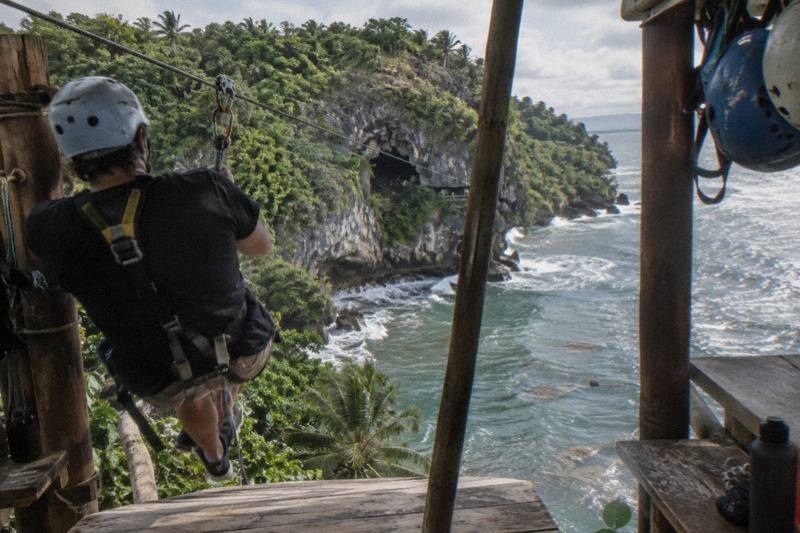
Best Time Of Day And Year For Ziplining In Fiji
Zip Fiji runs two departures a day and Sleeping Giant Zip Line collects from Denarau at two set times, so the clock part of the decision is simple. The calendar part comes down to Nadi's short dry season in July and August against a long wet season the rest of the year.
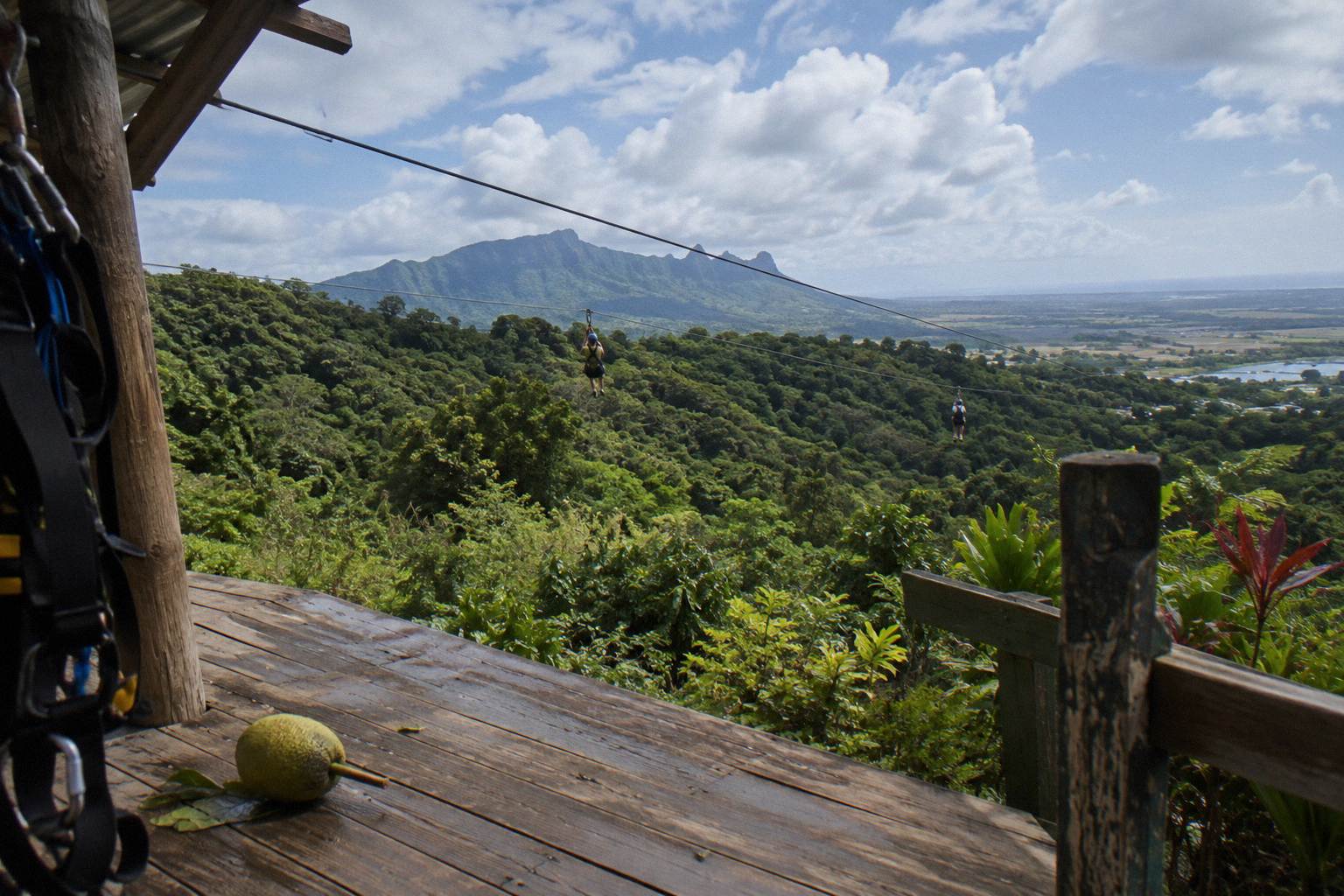
Short answer
Zip Fiji starts at the Welcome Centre at 9:00 am and 2:00 pm daily. Sleeping Giant picks up from Denarau hotels at 10am or 12pm. Nadi's short dry season runs through July and August; the wet season covers the remaining months, with January, February and March each receiving over 330 mm of rain.
Ziplining near Nadi is sold on two fixed daily schedules, and the weather around those schedules follows a pattern you can plan around with real numbers. The Sleeping Giant waterfalls and jungle safari tour is the Sabeto park's main tour, and the timing question here covers both that course and the Momi Bay course so you can pick a slot and a month with your eyes open.
| Fact | Detail |
|---|---|
| Zip Fiji departure times | 9:00 am and 2:00 pm from the Welcome Centre, daily including Sundays |
| Sleeping Giant pickup times | 10am or 12pm from Denarau hotels |
| Nadi dry season | July and August |
| Nadi annual rainfall | 1,999.4 mm (1991 to 2020 airport normals) |
| Mean daily maximum temperature | 30.2 degrees Celsius |
| Tropical cyclone season | 1 November to 30 April |
| Zip Fiji weather rule | Runs in all weather except lightning overhead, high winds and especially heavy rain |
| Free cancellation | Up to 24 hours before the start on the booking page |
Which Departure Times Can You Actually Book?
Both courses run on fixed clock times, not rolling departures. Zip Fiji's tours start at the Welcome Centre at 9:00 am and 2:00 pm, every day of the year including Sundays and public holidays, and the operator asks self-driving guests to arrive 15 minutes early. Sleeping Giant Zip Line collects from Denarau hotels at 10am or 12pm, and the operator says the round trip runs about 2 hours, with the activity itself about 4 hours. There is no third slot at either course and no evening riding, so the whole day-versus-afternoon question collapses into a choice of two options per park.
The two schedules are not equivalent in how they use your day. A 9:00 am start at Zip Fiji puts you on the course in the morning block and back with most of the afternoon left; the operator says the tour lasts about 3 hours. The 2:00 pm start is the mirror image, keeping your morning free. Sleeping Giant's 10am pickup means you leave Denarau mid-morning and, per the booking page, get dropped off about 4 to 4:30pm; the 12pm pickup pushes drop-off to about 5:30 to 6pm. If you have a dinner reservation or an early evening flight, that second slot eats into the margin.
Transfers are part of the timing arithmetic. Zip Fiji says the Momi Bay course is 35 minutes from Nadi, though one booking page says 45 minutes, and a guest review reports about 2 hours when two hotel pickups are chained before the van heads out, so the pickup window matters as much as the start time. Sleeping Giant says its park is 20 minutes from Nadi and about 1 hour each way from Denarau. For more on how the vans work, see how zipline pickups from Nadi actually run.
| Course | Start or pickup | Tour length | Back at your hotel |
|---|---|---|---|
| Zip Fiji, Momi Bay | 9:00 am Welcome Centre | About 3 hours | Early afternoon, transfer dependent |
| Zip Fiji, Momi Bay | 2:00 pm Welcome Centre | About 3 hours | Late afternoon or later with chained pickups |
| Sleeping Giant, Sabeto | 10am Denarau pickup | About 4 hours on site, about 6 hours door to door | About 4 to 4:30pm |
| Sleeping Giant, Sabeto | 12pm Denarau pickup | About 4 hours on site, about 6 hours door to door | About 5:30 to 6pm |
Morning Or Afternoon: Which Slot Suits Your Day?
Choose the morning slot when your afternoon holds a fixed commitment, and the afternoon slot when your morning does. Zip Fiji's 9:00 am departure pairs with a roughly 3 hour tour, so you are off the course by early afternoon even with a longer transfer, while the 2:00 pm start is the safer fit on a day you land at Nadi Airport in the morning.
The strongest practical argument for a morning start is schedule slack. Both courses run daily, but if a morning tour is cut short by weather, the same-day picture is easier to salvage than a 2:00 pm start that runs into the last working hours of the day. Zip Fiji's stated rule is that tours run in all weather except lightning overhead, high winds and especially heavy rain, and an afternoon slot that gets bumped leaves fewer same-day alternatives. Sleeping Giant states no weather rule of its own, so treat any weather call there as a question for the park.
The argument for an afternoon slot is just as real. Flight arrival days, late breakfasts and resort checkout times all push people toward the later start, and the 2:00 pm Zip Fiji departure is built exactly for that. On the Sleeping Giant side, the 12pm pickup means a genuinely free morning at the resort, at the cost of the later drop-off. Families with small children often find the earlier slot easier, since Zip Fiji's FAQ sets the minimum age at 3 years with children under 18 accompanied by an adult; the age question is covered in detail in the guide to zipline ages and kids in Fiji.
Whichever direction you lean, the tours below are the ones to check first, since they cover both courses and both schedules.
Which Months Are The Dry Months In Nadi?
July and August are Nadi's short dry season; the remaining ten months are the wet season, and that is the whole local calendar. Nadi International Airport's 1991 to 2020 normals show 1,999.4 mm of rain a year, heaviest in January at 365.2 mm, February at 335.5 mm and March at 350.5 mm. The mean daily maximum is 30.2 degrees Celsius across the year. Nadi also sits on the leeward side of Viti Levu and receives much less rain than Suva on the windward side, which is why the Nadi zipline area has a dry window at all.
The dry season advantage is not about comfort alone, it is about tour reliability. A July or August booking faces the smallest chance of the heavy-rain or lightning conditions that stop a Zip Fiji tour. The trade-offs are simply practical: those are peak travel months for visitors from the southern hemisphere's winter and the northern hemisphere's summer holidays, so book the slot earlier rather than later. The wet season, by contrast, has more availability, greener forest and the same two daily departure times, but a higher chance your tour day looks grey.
One detail worth weighing: that 30.2 degree Celsius mean daily maximum holds across the whole year, so a July trip is not meaningfully cooler than a January one. The real difference between the two windows is rain, not temperature. That means packing decisions stay roughly the same whenever you go, while umbrella and rain-shell decisions do not. If you are choosing between the shoulder rows of the table above, September to December and April to June both split the difference between demand and rainfall in opposite directions, so pick based on whether a cheaper or quieter slot or a drier one matters more to you.
A practical way to use the calendar is to pair it with the forecast check rather than treat them as rivals. The long-term normals tell you which months carry the most risk; the Fiji Meteorological Service link below tells you what is actually forming in the days before your tour. A wet-season month with a stable forecast can beat a dry-season month with a passing squall on any given morning, so leave yourself a spare day in the wet season if the zipline is the centrepiece of the trip.
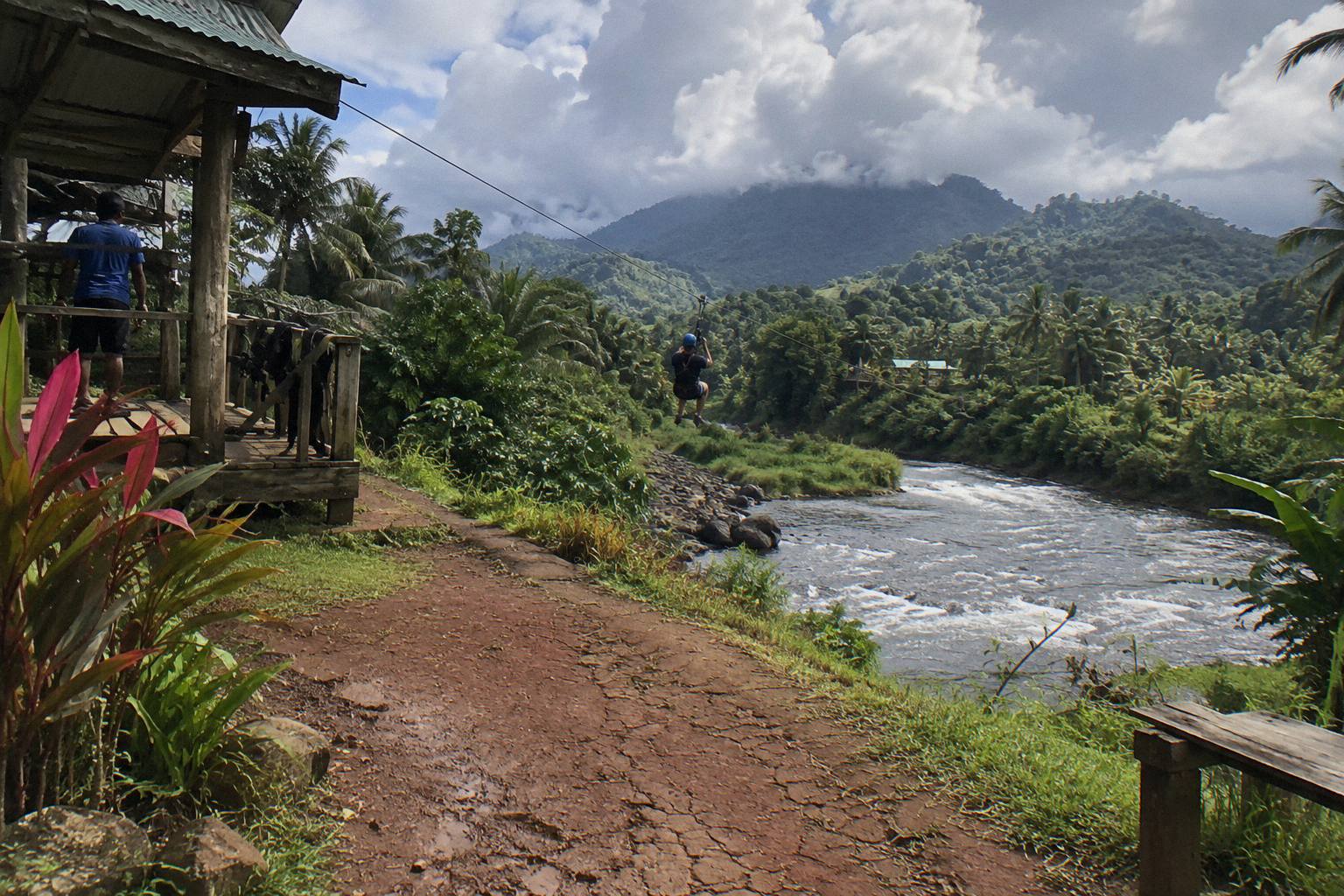
| Period | Season in Nadi | What it means for a zipline day |
|---|---|---|
| July and August | Short dry season | Lowest rain risk, most demand for slots |
| September to December | Wet season begins | More availability, rising rain figures |
| January, February, March | Wet season peak | 335.5 to 365.2 mm per month, highest interruption risk |
| April to June | Wet season easing | Middle ground on both rain and demand |
The rainfall and temperature figures above come from the long-term airport normals published for Nadi, and current forecasts come from the Fiji Meteorological Service, which is the official source to watch in the days before your tour.
If you are already committed to a wet-season trip, read the guide to ziplining in Fiji's rainy season before you fix a date, and then come back to the departure-time question with your dates in hand.
What Does The Cyclone Season Mean For Your Booking?
The South Pacific tropical cyclone season runs officially from 1 November to 30 April, overlapping almost exactly with Nadi's wettest months. A cyclone near Viti Levu stops tours outright, but the season's common effect is ordinary heavy rain and wind that can trigger Zip Fiji's stated exclusions. Booking inside those months is not a reason to stay away; it is a reason to hold your plans lightly and use free cancellation.
Every booking-page listing carries free cancellation up to 24 hours before the start for a full refund. That 24 hour window is the practical tool for cyclone-season travel: you keep the slot, you watch the forecast from the Fiji Meteorological Service, and if the outlook turns, you cancel or move the booking before the window closes. The same logic applies in the dry season with one difference, the forecast is usually boring.
One structural note worth having: Zip Fiji says its tours run daily, year round, including Sundays and holidays. Neither course shuts for a low season, so the calendar question is entirely about weather probability and slot availability, never about whether the courses are open. Prices are another matter, they vary by date and group, and the booking page shows the price for the date you choose.
What Happens When Weather Turns On The Day?
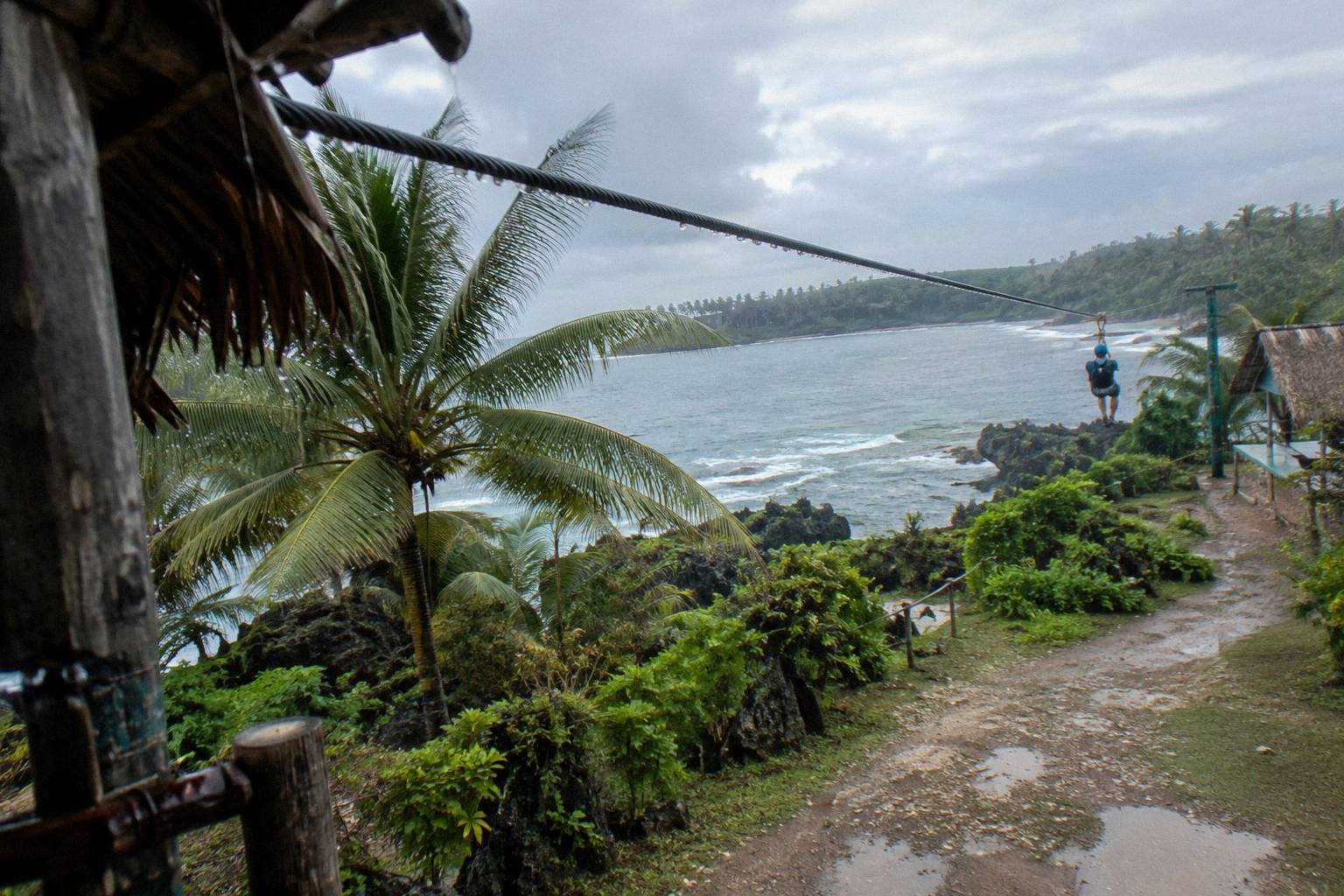
Zip Fiji's stated rule is that the tour runs in all weather except lightning overhead, high winds and especially heavy rain; everything short of those three conditions goes ahead. Sleeping Giant states no weather rule on its own pages, so a weather call there is the park's to make and yours to ask about before booking. Rain without lightning or wind, in other words, is a ridable morning or afternoon at Momi Bay, not an automatic cancellation.
The operator says on its FAQ what to wear and carry, and it matters more in the wet months: comfortable clothing that does not interfere with the harness, closed-toe sport shoes as the best option, cameras only with a strap, and no water bottles or backpacks on the course. Zip Fiji also says that after the first zip, guests who cannot continue are walked back to the Welcome Centre, so the weather-exit path exists mid-tour and not only before it. The packing detail is expanded in what to wear and bring ziplining in Fiji.
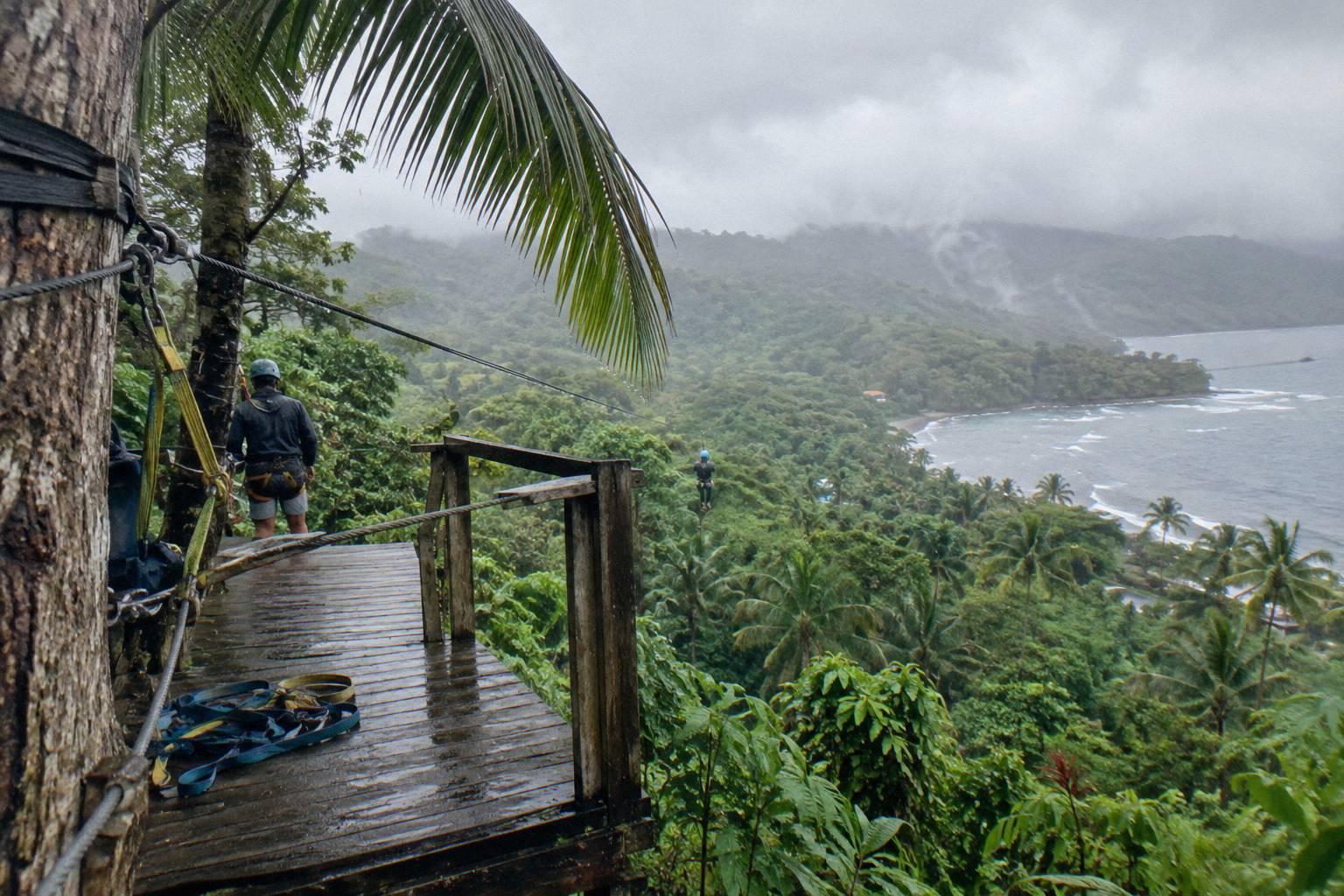
For context on operator safety practice generally, the standards world is documented on the ASTM F2959 standard page for commercially operated aerial adventure courses, and the Zip Fiji safety information page sets out what this operator says it does. A weather decision, though, is made day by day by the operator's guides, and the rules in this section are the operator's own words on when that decision goes against the tour.
How Do Transfers Shape The Timing Decision?
Your real start time is your pickup time, not the course start. The Momi Bay listing departing the Nadi area leaves at least 2 hours before a 9:00 am course start, and a guest review reports about 2 hours door to course when two hotel pickups are chained. Sleeping Giant quotes about 1 hour each way from Denarau, with pickups at 10am or 12pm and drop-off around 4 to 4:30pm or 5:30 to 6pm.
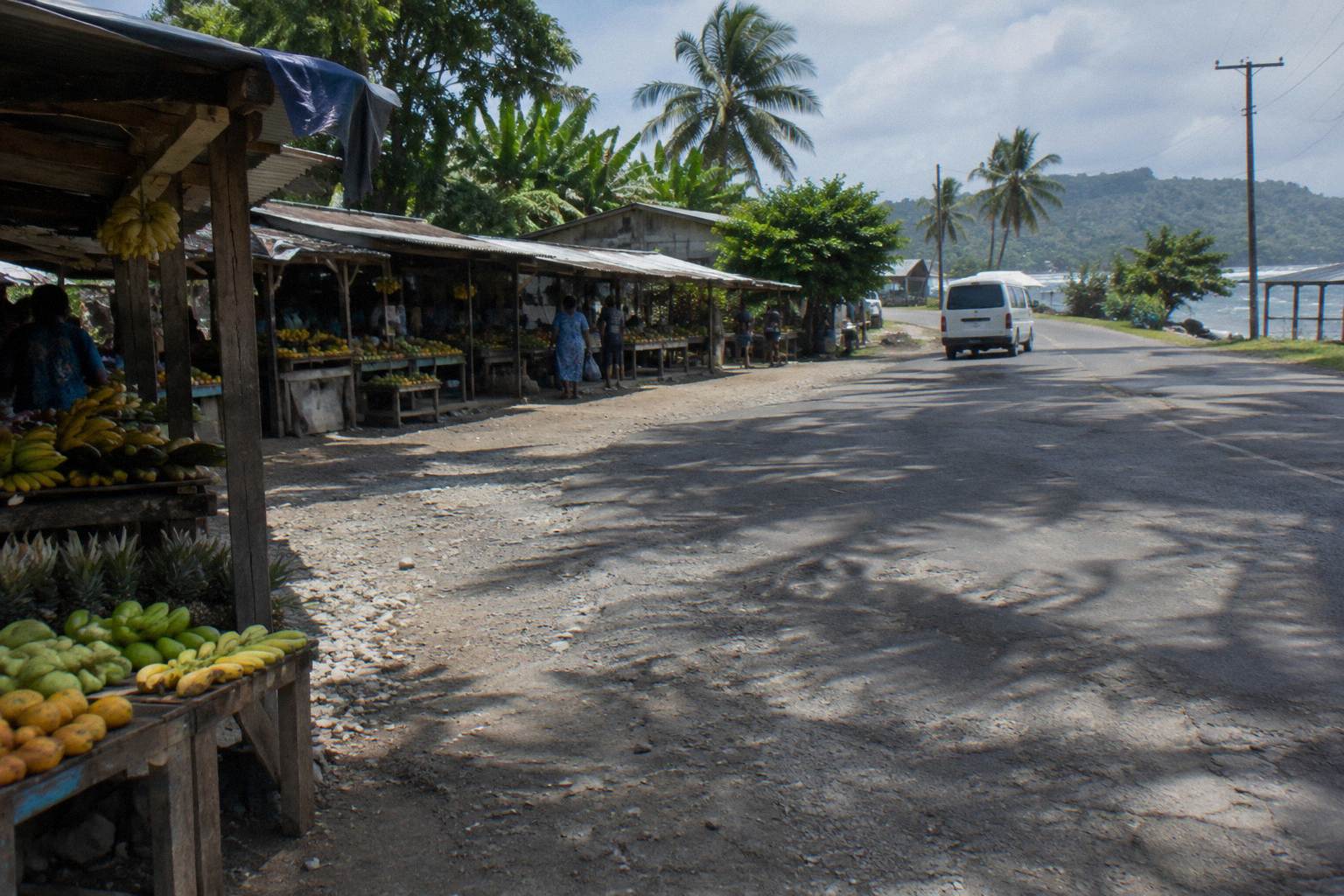
The Coral Coast pickup listings have their own arithmetic: the booking page itinerary shows a 1 hour van ride each way from the Coral Coast hotels, with pickups from properties including Shangri-La Yanuca, the Naviti, Warwick, Outrigger, InterContinental, Marriott Momi, Gecko's Sigatoka, Bedarra Beach Inn, Tambua Sands and Hideaway. The tours are rated 4.9 from 28 reviews and carry a from price of US$115 per person, with all amounts shown in US dollars and prices varying by date and group. If you are staying on the Coral Coast, the day is longer by two van hours, which strengthens the case for whichever slot leaves your morning or evening intact. The full picture is in ziplining from the Coral Coast and Sigatoka.
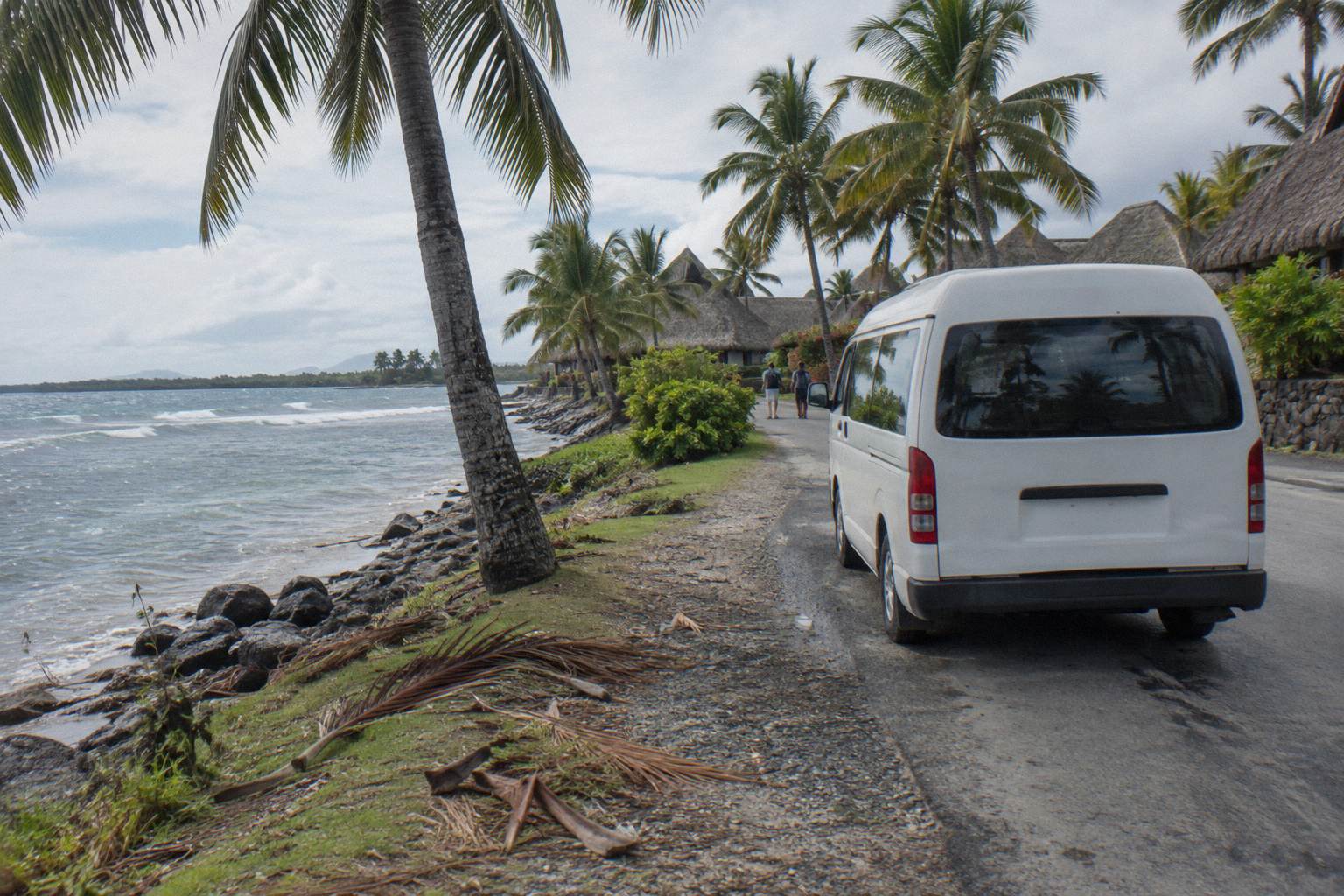
| Departure | Where it leaves from | Operator-stated transfer | What to budget in your day |
|---|---|---|---|
| Zip Fiji 9:00 am | Welcome Centre, Momi Bay | 35 minutes from Nadi (operator); 45 minutes on one booking page | Early pickup, free afternoon |
| Zip Fiji 2:00 pm | Welcome Centre, Momi Bay | Same transfer, chained pickups can add time | Full morning, later finish |
| Sleeping Giant 10am | Denarau hotels | About 1 hour each way | Back about 4 to 4:30pm |
| Sleeping Giant 12pm | Denarau hotels | About 1 hour each way | Back about 5:30 to 6pm |
| Coral Coast listing | Coral Coast hotels | 1 hour each way by van | Longest day, 3 hour tour |
For the Denarau detail, including how the shared transfers between Vuda and the InterContinental work and where the extra per-person charge applies outside that area, see the Denarau resorts zipline guide.
The Sleeping Giant listing that carries the 10am and 12pm pickups is the Nadi Zipline, Waterfalls, and Jungle Safari Tour with Lunch, rated 4.7 from 67 reviews, from US$88 per person, with a deli lunch and soft drink included. It fits the timing question tightly, since its two pickup slots are the park's whole schedule, and you can check availability for your dates on the booking page.
Should You Book The Wet Season At All?
Yes, if the wet season is when your trip falls, and you book with the cancellation window in mind. The courses run daily year round, the departure times are identical in February and in August, and free cancellation up to 24 hours before the start is on every booking page. What changes across the year is the chance that weather moves your tour, lowest in July and August, highest from January through March.
Think of it as a trade rather than a verdict. Wet-season travel buys easier availability and often calmer resort pricing in exchange for weather risk you manage with the 24 hour cancellation window and a forecast check. Dry-season travel buys reliability in exchange for booking earlier. Neither is wrong; the mistake is booking the wet season without knowing the cancellation terms exist, or booking the dry season late and finding your preferred slot gone. The step-by-step booking mechanics, including what to settle before you pay, are in how to book a Fiji zipline.
There is also a middle path worth naming: pick your month first when the month is fixed by flights and school holidays, then pick the slot around what the rest of that day holds. A wet-season morning at Momi Bay with the afternoon left over for the resort pool is a different day shape from a wet-season afternoon slot that ends in the rain. Neither is riskier in a way you can measure from the numbers here; the choice is about how you want the day to fall apart if the weather turns, and about which half of the day you would rather protect when it does not.
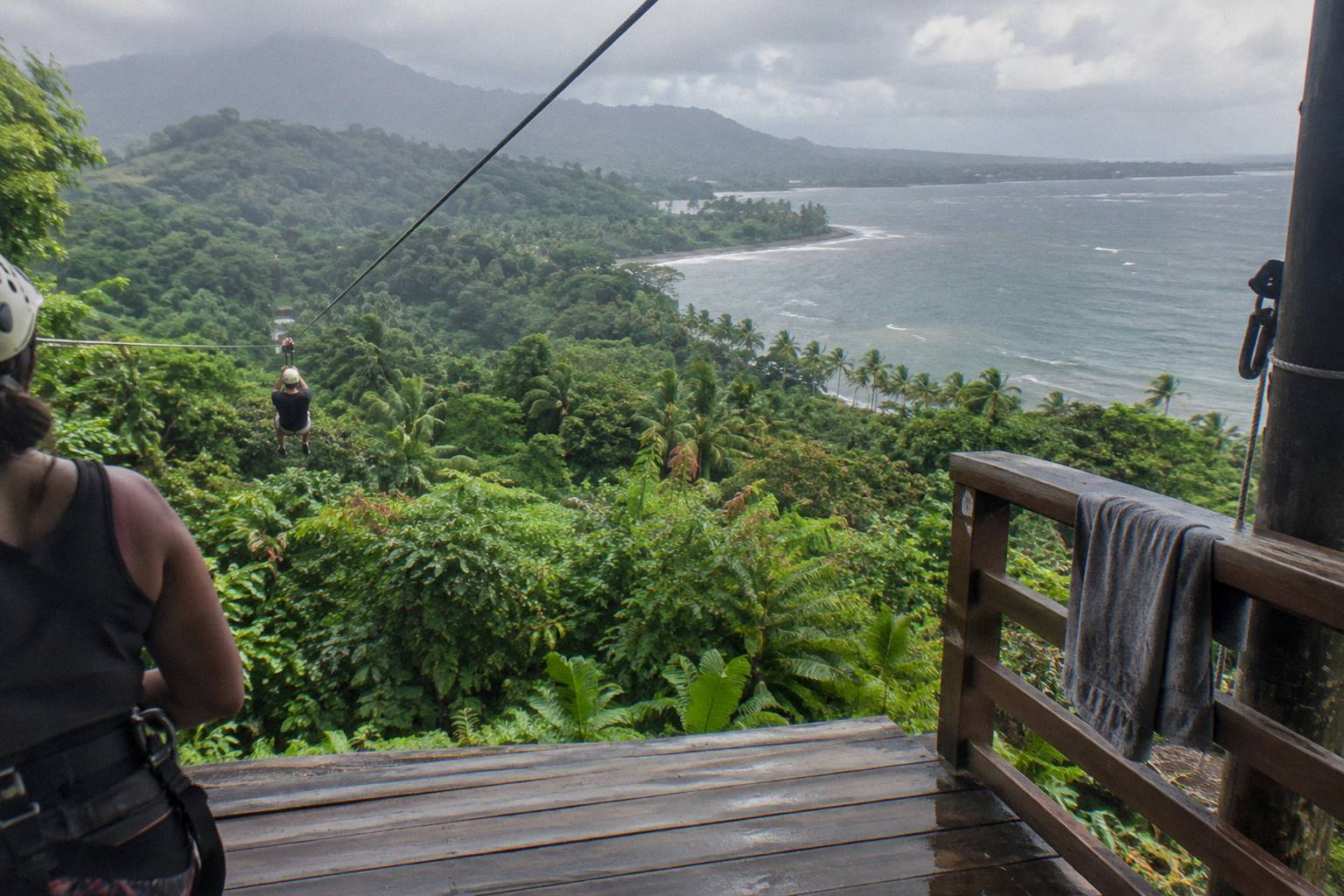
A solo morning decision worth checking: the half-day Zip Fiji listing from Nadi, which uses the same 9:00 am and 2:00 pm course starts with pickup and a meal included.
What Trips People Up Before You Book
Three timing mistakes cause most problems: planning around the course start while forgetting the Momi pickup that can leave the Nadi area at least 2 hours before a 9:00 am start, booking a 12pm Sleeping Giant slot and only discovering the roughly 5:30 to 6pm drop-off when the van is still out, and booking during the January to March rain peak without noticing the free cancellation window closes 24 hours before the start.
The weather-forecast habit is the cheapest fix. The official Fiji Meteorological Service forecast tells you in one glance whether your tour day sits under a rain band or a clear spell, and the 24 hour cancellation window on the booking page is the action that follows. For the Coral Coast variant of the same course, the same logic applies with two extra van hours in the balance, and that listing from Sigatoka is worth a look if that is where you are staying.
One more habit worth building: fix the slot before you fix the month, not the other way round. Both courses run both their slots in every month of the year, so the calendar decides your weather odds and the clock decides your day shape, and they are separate choices. The Ziplines In Fiji guides break each of those choices out on its own page, which is the point of splitting them here.
Common Questions About Timing A Tour
What Time Of Day Is Best For Ziplining In Fiji?
Both slots work. Zip Fiji starts at 9:00 am and 2:00 pm, and Sleeping Giant picks up at 10am or 12pm. The morning options give you a longer free afternoon; the later options protect your morning at the cost of a later drop-off, about 5:30 to 6pm for the 12pm Sleeping Giant pickup.
What Is The Best Month To Go Ziplining In Fiji?
July and August are Nadi's short dry season, with the lowest rain risk in the year. January, February and March are the wettest months at 365.2 mm, 335.5 mm and 350.5 mm respectively. The courses run daily year round, so any month can work with the forecast checked.
Do Zipline Tours In Fiji Get Cancelled For Rain?
Zip Fiji states that tours run in all weather except lightning overhead, high winds and especially heavy rain. Ordinary rain without those conditions goes ahead. Sleeping Giant states no weather rule, so ask the park when booking.
When Is Cyclone Season In Fiji?
The South Pacific tropical cyclone season runs officially from 1 November to 30 April. It overlaps with the wettest months near Nadi, so keep free cancellation up to 24 hours before the start in mind and watch the official forecast.
How Early Is The Pickup For A Morning Zipline Tour?
The Momi pickup listing departs the Nadi area at least 2 hours before a 9:00 am start at the course, and a review reports about 2 hours when two hotel pickups are chained. Sleeping Giant says about 1 hour each way from Denarau, with 10am and 12pm pickups.
Can I Cancel If The Weather Looks Bad?
Every booking page carries free cancellation up to 24 hours before the start for a full refund. Watch the forecast and act before that window closes; the booking page shows the exact terms for your date.
Whichever slot and month you land on, these are the three listings to compare side by side for dates and departure times.